Accessibility in Action: How to Create a Barrier-Free Hiring Process
Posted: August 26, 2026
Author: Stephanie O'Donnell
When we talk about accessibility in hiring, a lot of people jump straight to ramps and screen readers. Those definitely matter, but a barrier-free hiring process goes much deeper than that. It’s about making sure every qualified candidate has a fair shot at showing you what they can do, from the moment they find your job posting to the day they accept an offer.
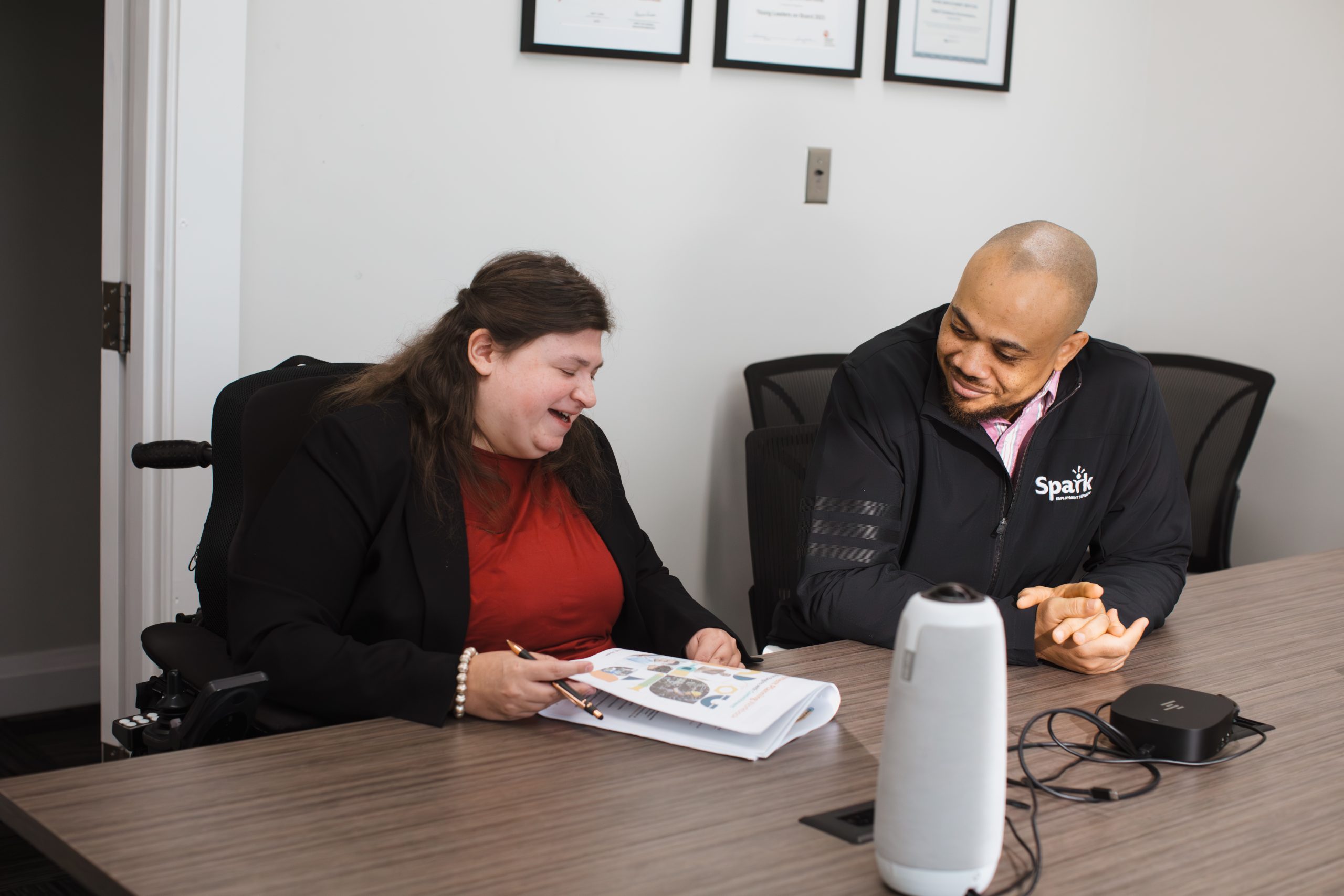
At Spark, we’ve been helping job seekers and employers in Greater Sudbury since 1986. We see every day what happens when hiring processes are designed with inclusion in mind. Candidates show up more confident, employers find talent they might have otherwise missed, and the whole experience feels more human.
Here are some practical steps you can take to build a hiring process that works for everyone.
Start with the job posting.
This is where most barriers begin. Job descriptions often include language that quietly excludes people. Phrases like “must be able to lift 50 pounds” or “strong multitasking skills required” might seem harmless, but they can discourage qualified candidates who use accommodations or have disabilities.
Instead, focus on the actual essential functions of the role. Ask yourself: what does someone really need to do to succeed here? Write the posting in plain language and avoid jargon and corporate buzzwords, and try to include an accommodation statement that feels genuine, not like a legal footnote.
Make the application process flexible.
Not everyone can fill out a long online form on a standard computer. Some candidates use assistive technology, while others might have limited internet access or need extra time. Consider offering alternative ways to apply, like emailing a resume or dropping one off in person. If you use an online portal, test it with a screen reader to make sure it actually works.
Train your team on inclusive interviewing.
Interviewing is often where bias creeps in, even when nobody means for it to. Train your hiring team on how to ask consistent, job relevant questions to every candidate. Avoid questions about medical history, disability, or accommodation needs before a job offer is made. Instead, let candidates know what to expect in the interview and ask if they need any accommodations ahead of time.
A simple question like “Is there anything we can do to make this interview more comfortable for you?” goes a long way.
Offer accommodations without making it weird.
Some candidates will need accommodations. Others might not even know what is available. Normalize the conversation by including accommodation information in your job postings, your interview invitations, and your onboarding materials. When a candidate asks for something, respond quickly and without judgment. A quiet interview room, written instructions instead of verbal ones, or extra time for a skills test can make all the difference.
Look beyond the resume.
Traditional hiring tends to reward people who have had smooth career paths and strong networks. That leaves out a lot of talented people. Consider skills based assessments or work samples instead of relying only on years of experience or educational credentials. You might be surprised by the quality of candidates who show up when you focus on what someone can actually do.
Keep improving.
Accessibility is not a one time fix. It is an ongoing practice. After each hiring cycle, ask your candidates for feedback. What worked? What felt confusing or difficult? Use that information to make your next round better.
Spark is here to help employers in Greater Sudbury build more inclusive workplaces. Whether you need help rewriting a job posting, setting up an accessible interview process, or connecting with diverse talent, we are just a phone call away.
Because when you remove barriers, you do not just help one person. You open the door for everyone.
Latest Blog Posts

Interview Tips That Help You Stand Out (and Stay True to Yourself)
Posted: 2026-10-07 15:00:17
Standing out in an interview doesn't mean becoming a different person for an hour. It means bringing your genuine self into the room, with a little preparation to help you shine.
Read More
Hiring for Potential, Not Perfection: How to Spot Transferable Skills
Posted: 2026-09-23 14:57:33
The next great hire may not have a perfect résumé. They may simply have the right skills, the right mindset, and the opportunity to prove what they're capable of.
Read More