Hiring for Potential, Not Perfection: How to Spot Transferable Skills
Posted: September 23, 2026
Author: Stephanie O'Donnell
For years, hiring often followed the same formula: match the résumé to the job description and choose the candidate with the most direct experience. That approach can work, but it also causes employers to miss people who have the skills, attitude, and ability to succeed in the role, even if their career path looks a little different.
Some of the strongest employees are career changers, parents returning to the workforce, newcomers, recent graduates, or people whose experience comes from volunteering or community involvement. Their value isn’t always found in job titles. It’s found in the transferable skills they’ve built along the way.
What are transferable skills?
Transferable skills are abilities that can be applied across different jobs, industries, and workplaces. Unlike technical skills that may be specific to one position, these strengths move with a person throughout their career.
Common examples include:
-
Communication
-
Problem solving
-
Teamwork
-
Organization and time management
-
Leadership
-
Customer service
-
Adaptability
-
Conflict resolution
These skills are often developed in unexpected places, from managing a busy household to coordinating community events or leading volunteer initiatives.
Look beyond the job title
A résumé tells you where someone has worked. It doesn’t always show what they’ve accomplished.
Instead of focusing only on previous positions, look for evidence of responsibility and growth. A retail employee may have trained new staff, handled customer complaints, and managed inventory. Those experiences translate well into administrative, supervisory, or client service roles.
Someone changing industries may not know your software yet, but they may already excel at communication, learning quickly, and working under pressure. Technical knowledge can often be taught. Curiosity and a strong work ethic are much harder to train.
Ask questions that uncover potential
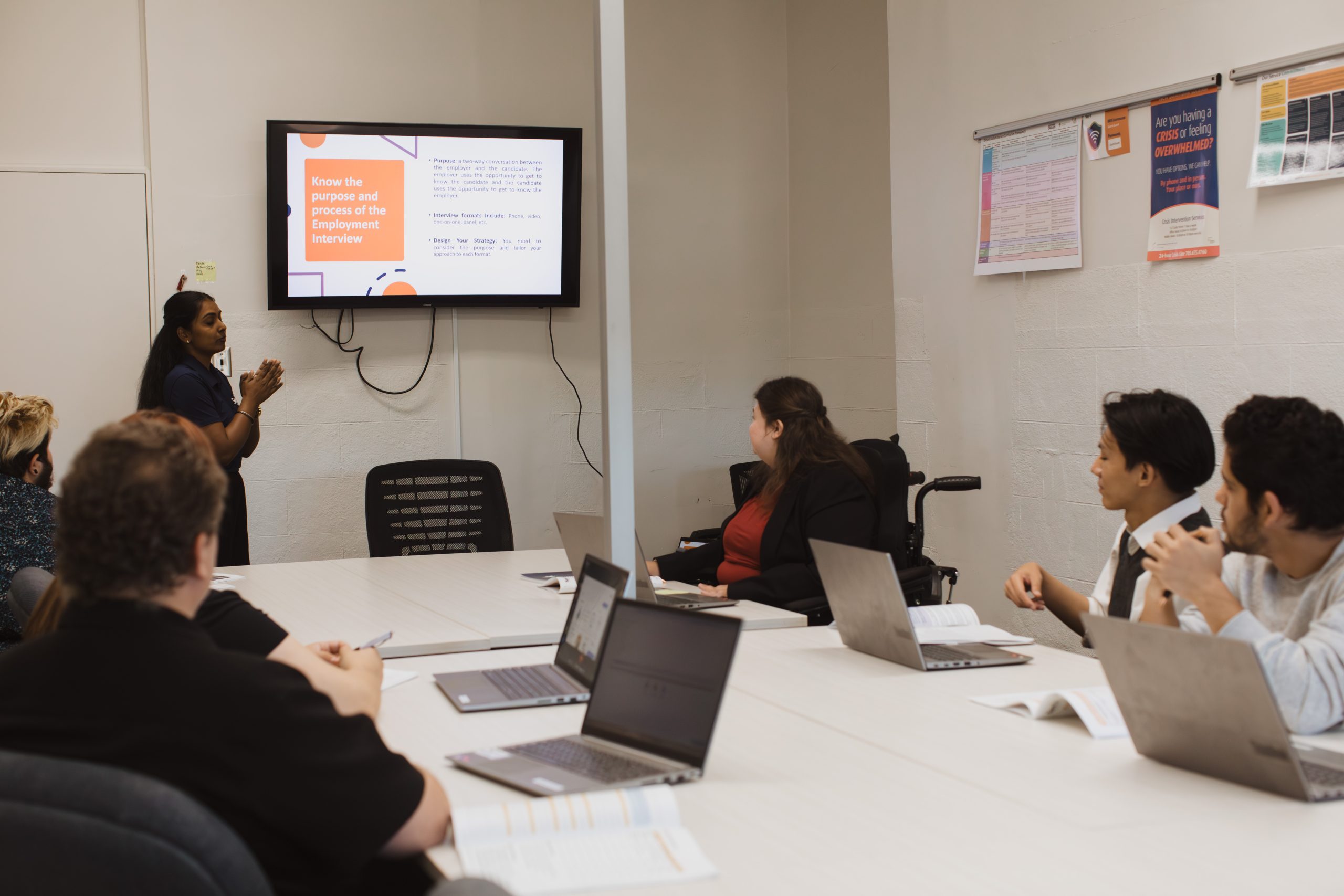
Interviews become much more valuable when candidates have the opportunity to demonstrate how they think and solve problems.
Try asking questions like:
-
Tell me about a time you had to learn something completely new.
-
Describe a situation where you improved a process or solved an unexpected problem.
-
Can you share an example of working with someone who had a different communication style?
These conversations reveal far more than asking someone to repeat what’s already listed on their résumé.
Don’t underestimate volunteer and lived experience
Many candidates gain valuable workplace skills outside of paid employment. Coaching youth sports, serving on a nonprofit board, organizing fundraisers, or caring for family members all require planning, communication, leadership, and resilience.
When employers recognize these experiences as legitimate skill-building opportunities, they open the door to talented people who may otherwise be overlooked.
Build stronger teams through potential
Hiring for potential doesn’t mean lowering standards. It means widening the lens.
A team made up of people with different backgrounds brings fresh perspectives, stronger problem solving, and greater adaptability. Employees who are given the opportunity to grow often become some of the most engaged and loyal members of an organization.
The next great hire may not have a perfect résumé. They may simply have the right skills, the right mindset, and the opportunity to prove what they’re capable of.
Looking for support with your hiring?
Spark Employment Services helps employers identify qualified candidates, recognize transferable skills, and build inclusive recruitment strategies that strengthen their workforce. Connect with our team to learn how we can help you find talent with potential
Latest Blog Posts
Why Lifelong Learning Is the Secret to Career Success
Posted: 2026-09-09 15:34:23
Lifelong learning is not about earning endless degrees or spending every weekend in a classroom. It's about staying curious, building new skills, and being open to growth throughout your career.
Read More
Accessibility in Action: How to Create a Barrier-Free Hiring Process
Posted: 2026-08-26 15:21:43
A barrier-free hiring process is about making sure every qualified candidate has a fair shot at showing you what they can do, from the moment they find your job posting to the day they accept an offer.
Read More