The Human Side of Innovation: Building a People-First Organization
Posted: June 17, 2026
Author: Stephanie O'Donnell
Innovation is often described in terms of technology, systems, and progress. We talk about new tools, streamlined processes, and data-driven decisions. But at its core, true innovation is not just about what we build. It is about who we build it for, and who we build it with.
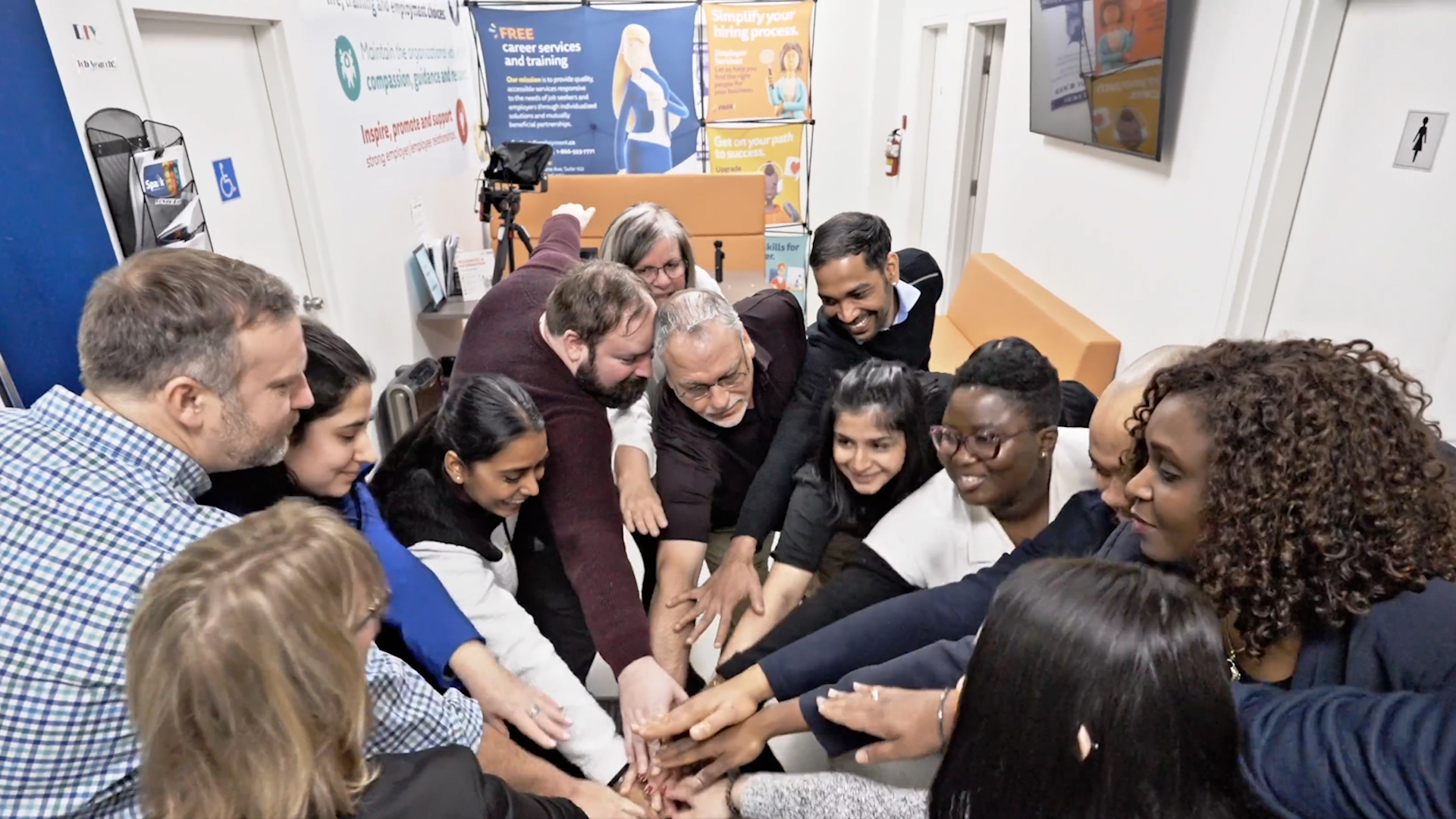
At Spark, we see innovation differently. For us, the most powerful ideas are the ones that keep people at the centre. A people-first approach does not slow innovation down. It strengthens it, makes it more meaningful, and ensures it leads to lasting impact in the community.
Innovation starts with understanding people
Every service, program, or initiative begins with a simple question: What do people actually need?
For job seekers, that might mean more than employment support. It could mean confidence after a setback, flexible training options, or help navigating barriers that are not always visible on a resume. For employers, it might mean finding candidates who not only have the right skills, but also align with workplace culture and long-term goals.
When we take time to understand these realities, innovation becomes more than improvement. It becomes relevance. It becomes connection.
Systems should serve people, not the other way around
In many organizations, systems and processes are designed for efficiency. While efficiency matters, it should never come at the expense of accessibility or dignity.
A people-first organization regularly asks:
- Does this process make things easier or harder for the person using it?
- Are we unintentionally creating barriers?
- How can we simplify without losing quality?
At Spark, innovation often means refining how we work so that clients spend less time navigating complexity and more time moving forward. Sometimes the most meaningful change is not adding something new, but removing what no longer serves people well.
Innovation is shaped by relationships
Technology and strategy play important roles, but relationships are what bring innovation to life.
Employment services rely on trust. Clients trust that they will be supported without judgment. Employers trust that their needs will be understood. Community partners trust that collaboration will lead to shared outcomes.
When relationships are strong, feedback becomes more honest, ideas become more practical, and innovation becomes more responsive. People are more willing to engage in change when they feel heard and respected throughout the process.
Inclusion is not optional in a people-first model
A truly innovative organization recognizes that not everyone starts from the same place. Barriers related to accessibility, education, language, mental health, or lived experience all shape how people engage with services.
Building inclusion into innovation means designing with these realities in mind from the beginning, not as an afterthought. It means asking whose voices are missing and making space for them.
This approach ensures that programs evolve in ways that reflect the diversity of the communities we serve.
People-first innovation is continuous
Innovation is not a one-time project or a single initiative. It is an ongoing mindset. It requires curiosity, reflection, and a willingness to adapt.
Sometimes it means testing new ideas. Sometimes it means learning from what did not work. And often, it means listening more closely than speaking.
The organizations that thrive are not necessarily the ones with the most advanced tools. They are the ones that remain grounded in purpose while staying open to change.
Final thoughts
The human side of innovation is not separate from progress. It is what makes progress meaningful.
When people are at the centre of decision-making, innovation becomes more than efficiency or growth. It becomes empowerment. It becomes opportunity. It becomes impact that lasts beyond a single program or initiative.
At Spark, this belief continues to guide how we evolve, how we collaborate, and how we serve. Because when innovation is people-first, everyone moves forward together.
Latest Blog Posts

Interview Tips That Help You Stand Out (and Stay True to Yourself)
Posted: 2026-10-07 15:00:17
Standing out in an interview doesn't mean becoming a different person for an hour. It means bringing your genuine self into the room, with a little preparation to help you shine.
Read More
Hiring for Potential, Not Perfection: How to Spot Transferable Skills
Posted: 2026-09-23 14:57:33
The next great hire may not have a perfect résumé. They may simply have the right skills, the right mindset, and the opportunity to prove what they're capable of.
Read More